Designing the Perfect Personalized Produce Boxes: A Step-by-Step Guide
Developing specialized fruit and vegetable boxes needs a strategic approach. Specialists must assess sustainability, functionality, and aesthetics. Choosing the appropriate components is crucial for maintaining quality and advancing environmentally conscious methods. Additionally, size and shape can significantly influence ease of use and shipping effectiveness. Compelling graphics strengthen brand recognition, while comprehensive assessment ensures strength. Grasping these elements will uncover key knowledge into creating remarkable container approaches that appeal to consumers. What comes next is essential to achieving those goals.
Determining the Best Materials for Custom Produce Boxes
When determining materials for take the first step custom produce boxes, it is vital to examine both functionality and sustainability. The type of material substantially shapes the box's wear resistance, weight, and ability to defend the contents. Common materials comprise corrugated cardboard, which renders strength and is able to be reused, making it a popular choice for eco-conscious businesses. Compostable options, such as molded pulp or plant-based plastics, also correspond with eco-conscious practices while providing ample protection for delicate produce.
Moreover, dampness protection is indispensable for keeping quality consistent, driving some producers to investigate treated materials or particular protective applications. The visual charm of the box cannot be dismissed, since branding and visual presentation can shape buyer perspective. Ultimately, the appropriate material should balance between protecting the produce, engaging consumers, and meeting ecological requirements, confirming that performance and sustainable practices are emphasized within the design process.
How to Determine Size and Shape for Effectiveness?
When selecting the size and shape of custom produce boxes, careful assessment of produce measurements is essential for effective storage. Additionally, considerations for handling and transport can affect the box design, ensuring ease of movement. Optimizing shelf space usage further enhances functionality, allowing for efficient display and storage.
Evaluate Produce Dimensions Carefully
Selecting the appropriate size and shape for produce boxes is crucial for operational performance and effectiveness. Accurate assessment of item measurements is vital, as it guarantees that items fit securely without unnecessary room that could result in damage during shipping and storage. Custom boxes need to handle various shapes, from fragile fruits to large produce, while maintaining physical strength. Additionally, the height and width of the boxes should facilitate stacking and organization, maximizing space in storage areas. A well-designed box not only safeguards the produce but also improves visual appeal for consumers. Ultimately, careful consideration of dimensions helps achieve waste reduction and enhancing overall user experience in the supply chain.
Think About Handling and Transport
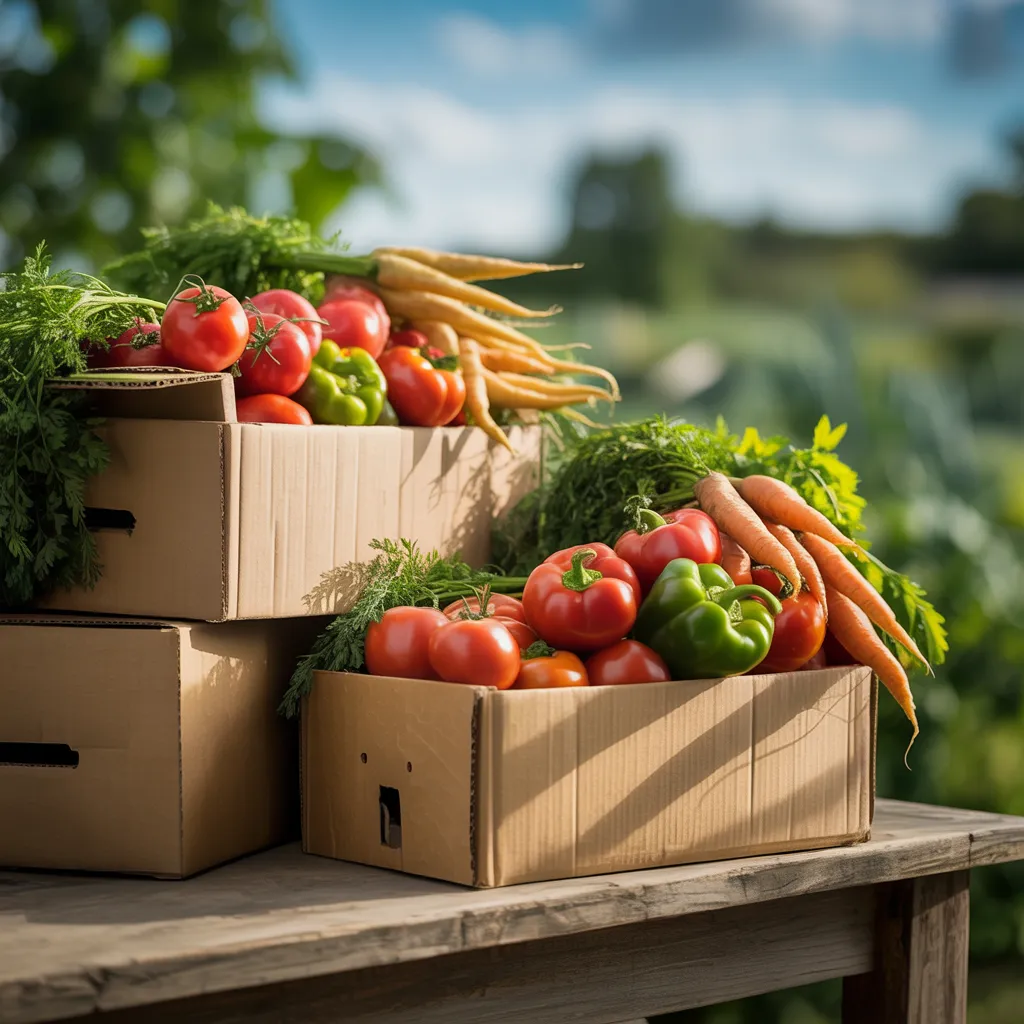
Handling and delivery considerations play a major role in defining the appropriate dimensions and configuration of custom agricultural boxes. The dimensions need to contain the produce with no excessive area, which might lead to movement and harm during transport. Small boxes make simpler handling, whereas larger boxes might prove essential to handle larger products. Additionally, ergonomic design remains essential; handles and openings should get strategically situated to enable comfortable lifting plus transport. The shape relating to the box also determines arrangement and steadiness, guaranteeing that products stay secure. Ultimately, careful consideration of these components strengthens the productivity of shipping, decreases item waste, while maintains the complete integrity concerning the produce from field to consumer.
Maximize Shelf Space Usage
Proper shelving management comes down to picking the best measurements and configuration of bespoke produce boxes. Teams should review the dimensions of the shelving units as well as the kinds of foodstuffs being stored. Box-shaped boxes often advance space efficiency, supporting for improved stacking and alignment. However, distinctive shapes can enhance attractive appearance but may generate unutilized areas if not well planned.
It's important to examine the product rotation speed; fast-selling items might gain from smaller, conveniently positioned containers. In addition, utilizing adaptable or modular frameworks can support various dimensions of merchandise while refining shelf arrangement. By stressing practical design with visual appeal, organizations can construct a functional and attractive display that strengthens both ease of access and product prominence.
How to Develop Artwork That Command Notice?
Engaging visuals can transform a simple custom produce box into a stunning display that captures interest. To achieve this, creatives should begin by selecting a color palette that reflects the vitality and vibrancy of the produce. Vibrant, eye-catching colors can inspire feelings of freshness and wellness, driving consumers to take a second glance.
Bold typography is also essential; readable typefaces can effectively communicate key details while enhancing design attractiveness. Moreover, using high-quality images of the produce can form instant engagement, highlighting the item's caliber and compelling prospective customers.
Furthermore, incorporating unique patterns or illustrations can help differentiate the brand in a competitive market. Uniformity in design elements, such as logos and taglines, strengthens brand identity. Ultimately, a blend of innovation and precision in graphic design can greatly elevate the impact of custom produce boxes, making them become prominent on shelves.
Sustainable Practices for Custom Produce Box Protective Covering
A expanding volume of enterprises are embracing eco-friendly techniques for custom produce box packaging, recognizing its value in today's sustainability-focused market. These initiatives often include the use of organic materials, such as recycled paper and plant-based plastics, which minimize environmental impact. Companies are also focusing on ethical sourcing, ensuring that materials are obtained from responsibly managed forests or suppliers who prioritize environmental stewardship.
In turn, numerous brands are choosing minimalistic formats that reduce waste while still efficiently displaying their products. This approach not only appeals to eco-conscious consumers but also assists with lowering production costs. Moreover, businesses are increasingly applying effective manufacturing processes that minimize energy consumption and waste generation. By implementing these green practices, companies not only improve their brand image but also contribute positively to the planet, positioning their operations with a sustainable future.
Assess Your Custom Produce Box Format
Testing the construction of custom produce boxes is an important phase in confirming they fulfill both aesthetic and functional standards. This process usually encompasses studying components such as robustness, capacity, and practical use. First, working models should be created to evaluate the box's overall soundness, making sure it is able to handle transportation and preservation without compromising the contents.
Next, user experience evaluations can be performed to determine how easily the boxes can be opened, sealed, and stacked. Feedback from potential users can be invaluable in this phase, providing perspectives into the box's functionality.
In addition, the design's visual appeal should be validated through focus groups or surveys, analyzing audience responses to branding features, color selections, and full design presentation.
In the end, rigorous testing enables designers to enhance the box, ensuring it not only attracts customers but also adequately protects and displays the produce within, achieving the right equilibrium between form and function.
Efficiently Market Your Custom Produce Boxes
Effective advertising of personalized produce boxes requires a strategic approach that stresses their distinctive advantages and value. Businesses should focus on identifying their intended customers, such as local farms, grocery stores, or individual consumers. Utilizing social media platforms can boost brand awareness, showcasing the boxes' design and practicality through compelling visuals and storytelling.
Moreover, collaborating with community figures and agricultural experts can improve credibility and expand audience. Offering promotions or discounts during seasonal peaks can attract initial buyers and encourage repeat business.
In addition, stressing sustainability and eco-friendliness in brand communications can attract green-minded customers. Sharing detailed information about the materials used and the perks of custom packaging can additionally differentiate the product in a competitive market.
In the end, a detailed promotional strategy that combines digital and community-based efforts will successfully promote custom produce boxes, engaging a diverse clientele and boosting sales.
Frequently Posed Inquiries
What Charges Accompany Custom Produce Box Design?
Costs regarding custom produce box design feature materials needed, printing, labor, and freight. Also, design consultation and minimum order quantities can determine overall expenses, creating varying prices based on unique needs and production size.
How Long Does Manufacturing of Bespoke Boxes Require?
The production of custom boxes generally requires anywhere from two to six weeks. Factors affecting this timeline consist of design complexity, materials availability, and production capacity, all of which may impact shipping timelines and turnaround periods.
May I Submit an Request for a Small Batch of Custom Produce Boxes?
Yes, small volumes of made-to-order produce boxes can generally be secured. Many suppliers deliver minimum order quantities, allowing businesses or individuals to obtain customized packaging solutions without needing to obligate to substantial amounts initially.
Which Typical Missteps Should Be Avoided in Tailored Box Design?
Typical errors in custom box development involve neglecting functionality, ignoring brand consistency, undervaluing material quality, failing to consider target audience preferences, and overlooking environmental impact. Each aspect is essential for successful packaging and customer satisfaction.
How Can I Confirm My Boxes Are Food-Safe?
To ensure boxes are safe for food, one must select substances approved for food contact, prevent harmful inks and adhesives, keep cleanliness during production, and regularly test for compliance with health regulations and safety standards.